When silence falls after a death, words often fail us. We no longer know what to say, nor how to behave, for fear of doing too much or too little. In these suspended moments, we search for the right gesture, a discreet symbol, a way to say "I am here" without unduly acknowledging the grief, without imposing words or emotions.
Giving a gift at a funeral is never obligatory. It's not about repairing the irreparable, nor about masking the pain. But sometimes, an object, a thoughtful gesture, a simple act of kindness can become a true balm. A silent message of presence, respect, and solidarity. A way to forge a connection when everything seems to be falling apart.
In this article, we gently guide you in choosing a gift appropriate to the context of bereavement. Whether you are a close relative, a friend, a colleague, or an acquaintance, you will find sincere, useful, and symbolic ideas here. Objects to soothe, honor, and remember. Simple gestures that speak directly to the heart.
Why give a gift during a bereavement?
Grief is a deeply personal experience, but it should never be lived in isolation. Giving a gift at such times is not about filling the void left by absence, but about expressing a caring presence. It's a way of saying, "I'm thinking of you," "You matter," "You're not alone in this."
- Expressing support when words fail: some objects convey emotions that are difficult to formulate better than sentences.
- Creating an emotional bridge: receiving a thoughtful gesture reminds us that those around us are there, even in silence.
- Providing a point of reference: an object can become an anchor point, a ritual, a reassuring memory.
- Respect the pace of mourning: the gift does not impose anything, it leaves the freedom to return to it when the person wishes.
Symbolic gestures: gifts to honor the memory of the deceased
Some gifts are not intended to offer immediate consolation, but to honor the memory of the deceased. They preserve the memory over time and give a tangible form to the tribute.
Flowers and plants with strong symbolic meaning
Flowers have always been associated with funeral rites. They speak a universal language, one of respect, gentleness, and contemplation. The lily evokes purity and peace, the white rose remembrance and silent love, the chrysanthemum fidelity and memory.
A potted plant can also be a sustainable alternative. A bonsai, an olive tree, or an orchid symbolizes the continuity of life. The cactus, discreet and robust, embodies resilience and requires little maintenance, which can be invaluable during a time of emotional exhaustion.
Whatever your option, a handwritten card, even a very simple one, gives full value to the gesture.
Personalized commemorative items
Commemorative objects give a tangible place to remembrance. They accompany moments of loss without intruding on daily life.
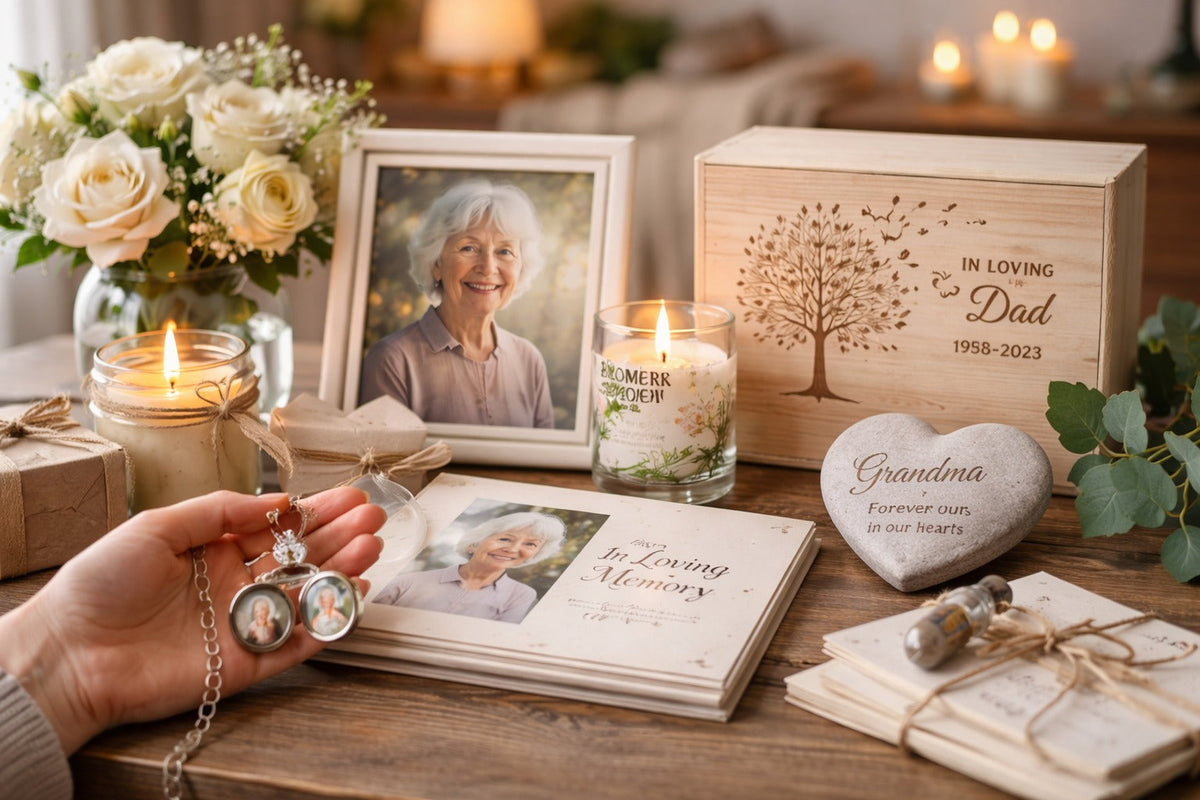
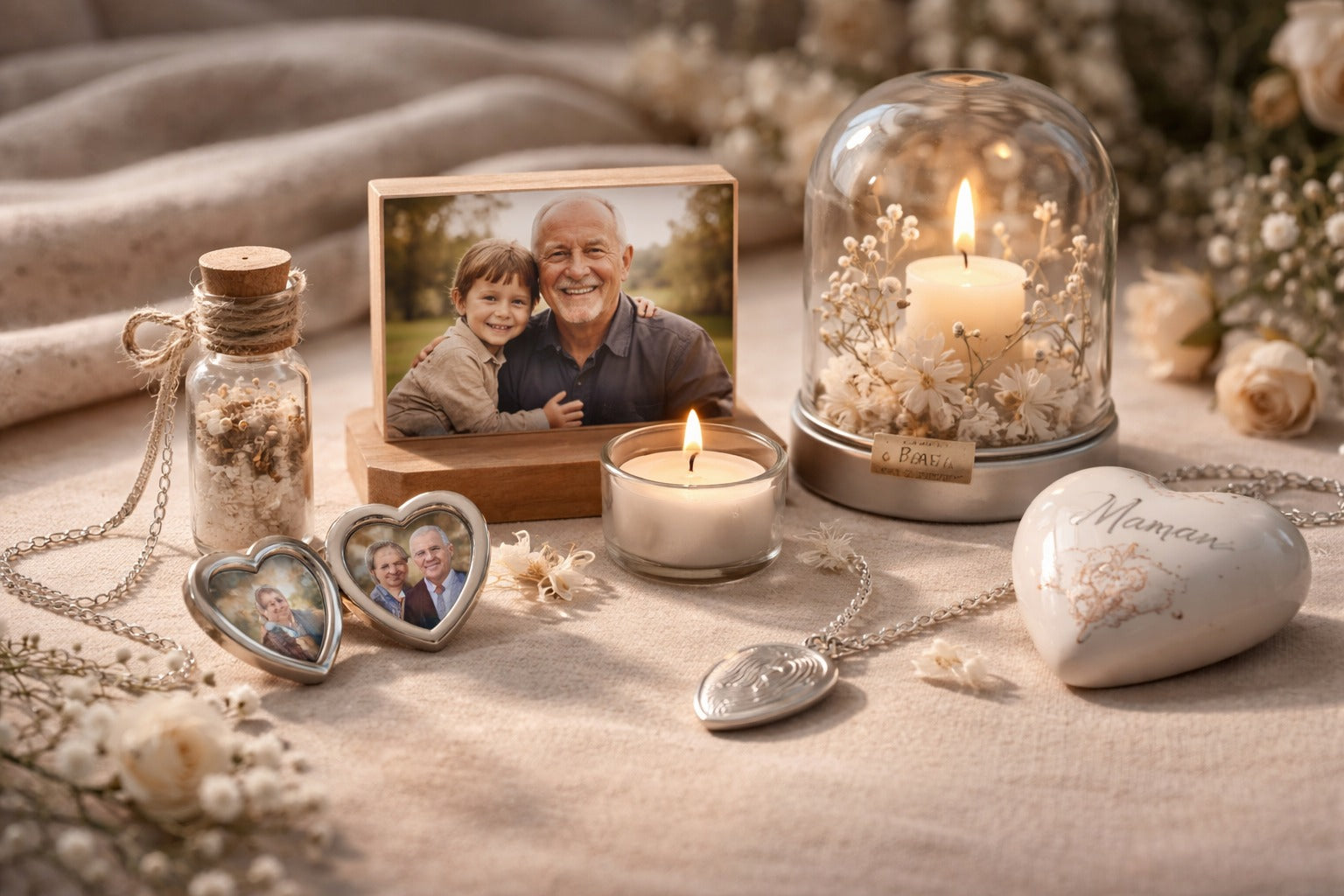
- Engraved candle with a name, date or symbolic word.
- A discreet commemorative jewel, carrying meaning.
- A photo frame or memory album to complete at your own pace.
- Keepsake box for storing letters, photos and precious items.
Lasting gifts and tributes
Sometimes, the most fitting gesture is intangible. Making a donation in memory of the deceased, writing a letter, or offering a writing or drawing journal allows for a different way of expressing remembrance. These thoughtful gestures are often greatly appreciated when accompanied by a note explaining the intention.
Gifts of comfort and well-being for bereaved loved ones
Grief is exhausting, both emotionally and physically. Offering a comforting gift is a way of caring for the bereaved person, reminding them that they deserve tenderness and attention.
Create a cocoon of softness
- A soft throw or weighted blanket to promote calmness.
- Candle with soft and non-overpowering scents.
- A gift set of herbal teas, dark chocolate or simple sweets.
Self-care and soothing rituals
Reconnecting with one's body can sometimes help weather inner turmoil. A small ritual, even a simple one, can become a refuge.
- Massage or gentle relaxation session.
- Relaxation box: bath, incense, dimmed lighting.
- Personal journaling or a soothing creative activity.
Support that is built over time
Some gifts have a special value because they last. A subscription to a calming practice or inspiring reading material can support the recipient for several weeks, or even several months.
Offering concrete help: the invisible but essential gift
In the early stages of grief, practical gestures are often the most valuable. They ease daily life and allow the bereaved person to focus on what is essential.
- Home-cooked meals or food assistance.
- Administrative or logistical support.
- Discreet and regular presence.
Adapt your actions according to the relationship and the context
There is no universal gift. Your relationship with the bereaved person, their sensitivities, and the cultural context should guide your choice.
- Intimate closeness: a strong and personal symbolic object.
- Professional relationship: sober and respectful attention.
- A bereaved child: a reassuring and gentle object.
- Cultural differences: learn about local customs.
Gifts to avoid at a funeral
- Objects that are too intrusive or too cheerful.
- Guilt-inducing or clumsy messages.
- Inappropriate religious symbols.
Golden rule: simplicity, sincerity and respect.
The Digraph: an art object to express the inexpressible
Some connections are impossible to summarize in words. The Digraph was born from this idea: to materialize a relationship, a link, a memory, through a poetic and discreet work.
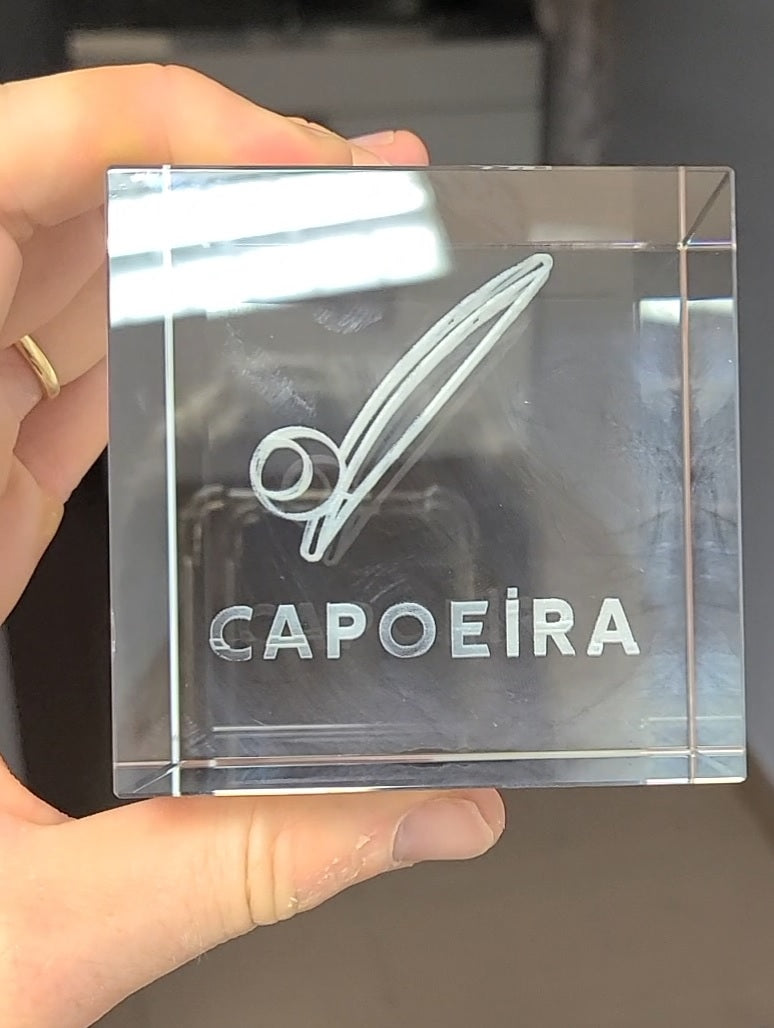
This optical illusion combines two first names in a single object. Depending on the viewing angle, one appears, then the other. Like two presences that continue to converse, despite their absence.
Offering a personalized Digraphe Cristallin during a bereavement is to offer an intimate and lasting tribute. An object for contemplation and reflection, which accompanies without intruding.
Carefully crafted in our workshop in France, each Digraph becomes a symbolic landmark, a delicate way to keep alive a little longer those who have left us.
When actions speak louder than words
Choosing a gift for a funeral is above all about listening to your intuition and your heart. It's neither the value nor the originality that counts, but the sincerity of the gesture.
In the silence of grief, an object, a presence, or a kind gesture can become an immense source of support. And sometimes, hidden in the discretion of a well-chosen gift, lies all the tenderness in the world.
FAQ – Frequently asked questions about funeral gifts
What gift should I give to someone who is grieving?
The most appropriate gift is one that expresses genuine support. It could be something comforting (a blanket, a candle, herbal tea), a symbolic item (a photo frame, a personalized keepsake), or practical help such as a meal or a favor. The key is to keep it simple, respectful, and sensitive to the feelings of the bereaved.
Is it obligatory to give a gift at a funeral?
No, giving a gift is never an obligation. A discreet presence, a handwritten message, or a gesture of help can be just as valuable. A gift is primarily one way, among others, to show support, never a social expectation.
Are flowers always appropriate after a death?
Yes, flowers are a traditional and widely accepted gesture. Understated flowers like lilies, white roses, or simple arrangements are generally preferred. However, some cultures or families prefer to avoid flowers: in this case, a preserved plant or a sympathy card is a thoughtful alternative.
What plant should I give as a gift for a funeral or after a death?
Easy-care plants are often the most suitable: orchids, bonsai trees, olive trees, or cacti. They symbolize the continuity of life and allow you to keep a living memory without requiring too much attention during an already trying time.
What can you give if you don't know the family well?
When the relationship is more distant, it's best to opt for a simple and universal gesture: a handwritten card, a discreet plant, a simple candle, or a tea set. The goal is to express your compassion without being intrusive.
What gift should I give to a bereaved colleague?
In a professional setting, discretion is essential. A message of condolence, a plant for the office, a box of herbal teas, or a group card signed by the team are appropriate and respectful gestures.
What can we offer a grieving child?
For a child, choose reassuring and gentle objects: an age-appropriate book, a stuffed animal, a simple symbolic object, or a small, calming ritual. It's important to avoid complex language and let the child express their emotions at their own pace.
What gifts should be avoided at a funeral?
It's best to avoid overly personal, cheerful, or large gifts. Guilt-inducing messages or clichés like "time heals all wounds" can be insensitive. Similarly, religious symbols should be avoided if you're unsure of the family's beliefs.
How can you support a bereaved person without giving a gift?
Being present is often the greatest support. Listening, offering practical help, sending a message a few weeks after the funeral, or simply respecting the silence can be deeply comforting gestures.
Is it permissible to give a gift several weeks after a funeral?
Yes, and it can even be greatly appreciated. Support often fades after the first few days, while the grieving process continues. A message, a comforting object, or a belated gesture can remind the bereaved person that they are not forgotten.